In 2026, IQ alone isn’t enough to retain top talent. Discover what is emotional intelligence and how mastering this critical skill drives team resilience and reduces turnover. In this guide, terra explores how EQ transforms workplace dynamics into sustainable business growth.
What is emotional intelligence (EQ)?
To effectively answer what is emotional intelligence, we must look beyond pure intellect and technical expertise. Emotional Intelligence (often referred to as EQ or EI) is the ability to recognize, understand, manage, and reason with emotions—both your own and those of the people around you.
In a corporate context, it is the crucial bridge between raw talent and actual execution. A brilliant strategist who cannot handle criticism or collaborate effectively with peers possesses high IQ but low EQ, which ultimately limits their organizational impact and career trajectory.

Why emotional intelligence is critical in today’s work environment
The modern workplace is highly matrixed, diverse, and often geographically dispersed. In this complex environment, technical skills are merely the baseline; emotional competence dictates how effectively those skills are deployed and shared.
EQ and Workplace Culture
Culture is not dictated by mission statements printed on a wall; it is shaped by how people treat each other during high-stress situations. Teams with high EQ navigate disagreements respectfully, ensuring that conflict leads to productive innovation rather than toxic office politics.
EQ in Hybrid & Remote Work Settings
In hybrid environments, the absence of physical body language makes communication highly vulnerable to misinterpretation. A delayed email reply can quickly trigger anxiety. High EQ allows employees to assume positive intent and communicate with deliberate clarity, bridging the digital divide.
The Role of EQ in Psychological Safety
Psychological safety is the belief that one will not be punished or humiliated for speaking up with ideas, questions, or mistakes. Leaders with high EQ create this safety by reacting to failure with curiosity rather than immediate punishment, fostering a culture of continuous learning.
Emotional Intelligence and Employee Engagement
It is a well-known HR adage: people do not leave bad companies; they leave bad managers. Leaders who demonstrate empathy and actively listen foster a deep sense of belonging, which is the single strongest predictor of long-term employee engagement and loyalty.
Impact of Low EQ in the Workplace (Conflict, Burnout, Turnover)
The financial cost of low EQ is severe. It manifests as chronic workplace drama, siloed departments refusing to share information, and elevated turnover rates. When employees constantly walk on eggshells around a volatile manager, cognitive fatigue sets in, inevitably leading to burnout.
The 5 Core Components of Emotional Intelligence at Work
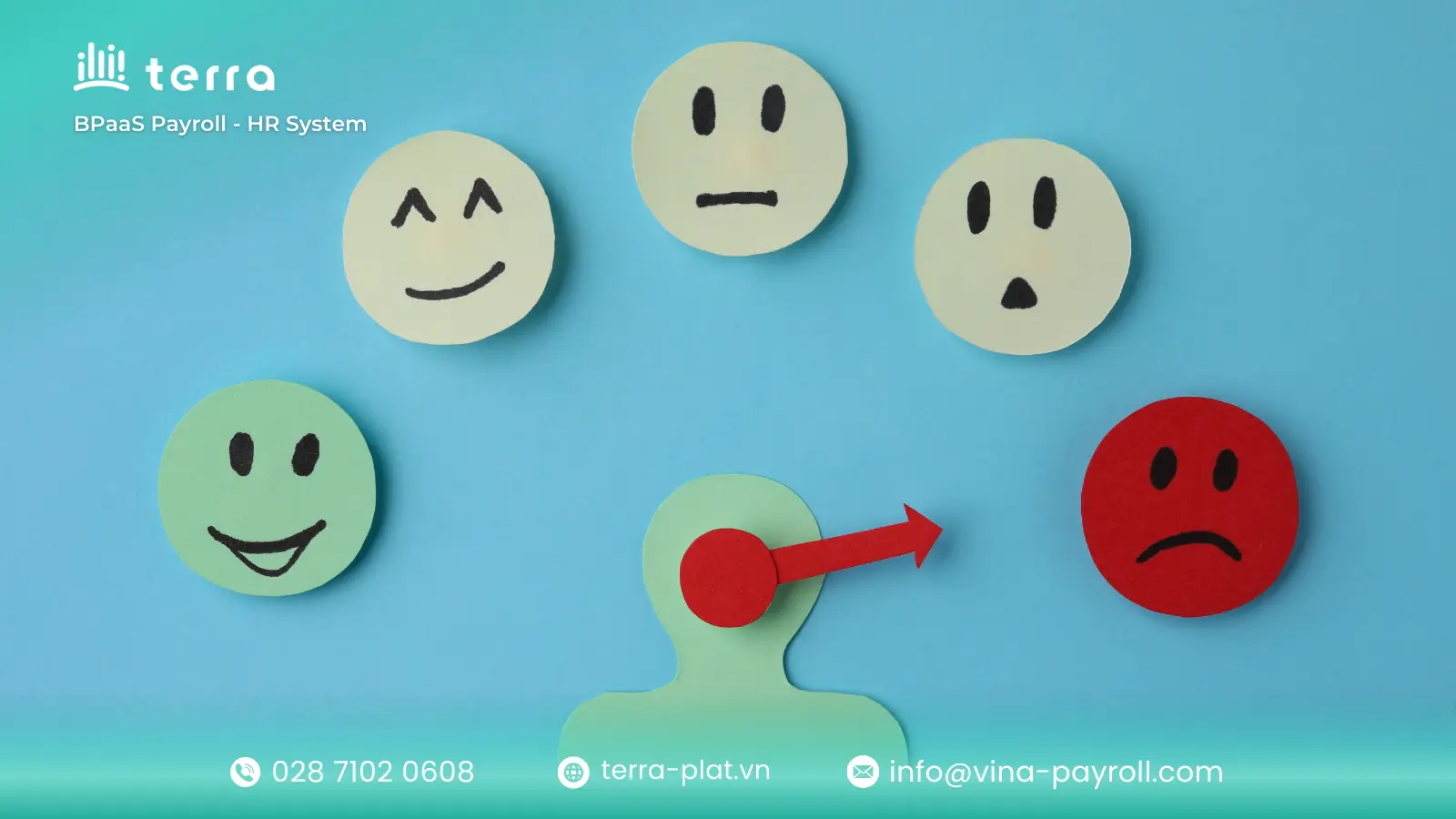
Based on the foundational framework developed by renowned psychologist Daniel Goleman, developing robust emotional intelligence skills requires mastering five distinct behavioral domains to thrive in a corporate setting.
Self-Awareness in Professional Decision-Making
This is the ability to recognize your own emotions and their direct impact on your thoughts and behavior. A self-aware professional knows their emotional triggers for example, recognizing that they become defensive when their budget is challenged and mentally prepares before stepping into a tense board meeting.
Self-Regulation Under Workplace Pressure
Self-regulation is the internal mechanism that stops you from sending an angry email in the heat of the moment. It is the ability to control impulsive feelings, manage stress, and adapt to changing circumstances without losing strategic focus.
Motivation and Performance Ownership
High-EQ individuals are driven by intrinsic motivation rather than just external rewards (like a bonus or promotion). They possess a passion to fulfill their own inner standards of excellence, making them highly resilient when facing a rejected pitch or a failed project.
Empathy in Team Collaboration
Empathy in business is not about agreeing with everyone; it is about accurately understanding the emotional makeup of other people. It involves reading the room during a restructuring announcement and adjusting the corporate messaging to address unspoken fears and anxieties.
Social Skills for Cross-Functional Communication
This is the culmination of the other four components. It involves managing relationships to move people in desired directions, whether it is resolving a bitter dispute between two departments or building a willing coalition for a massive new initiative.
Ultimately, these five pillars form the foundation of an emotionally intelligent professional. Mastering them transforms theoretical knowledge into practical, daily execution. Below is a quick-reference matrix of Goleman’s core components and their strategic applications in the workplace:
| Core Component | Workplace Application & Focus |
| Self-Awareness | Recognizing personal emotional triggers and their direct impact on behavior and professional decision-making. |
| Self-Regulation | Controlling impulsive reactions and managing stress to maintain strategic focus under high pressure. |
| Motivation | Harnessing intrinsic drive and resilience to overcome setbacks and achieve internal standards of excellence. |
| Empathy | Accurately reading the emotional landscape of others to adjust corporate messaging and support team dynamics. |
| Social Skills | Leveraging interpersonal relationships to resolve cross-functional conflicts, build coalitions, and drive alignment. |

Emotional Intelligence for Leaders and Managers
The transition from a high-performing individual contributor to a manager is often where technical experts stumble. Implementing emotional intelligence in leadership is the defining factor that separates a boss who demands compliance from a leader who earns genuine commitment.
EQ vs Authority-Based Leadership
Authority-based leadership relies entirely on the organizational chart (Do this because I am the director). This yields minimum viable compliance. EQ-based leadership relies on influence (Here is why this matters, and here is how your role is vital). This yields discretionary effort and high performance.
Coaching and Feedback Conversations
High-EQ managers do not just deliver verdicts during annual performance reviews; they actively coach. They ask probing, open-ended questions to help employees arrive at their own realizations, transforming a harsh critique into a collaborative development plan.
Managing Difficult Employees with Emotional Awareness
When an employee underperforms or disrupts the team, a low-EQ response is immediate termination or public reprimand. An emotionally intelligent leader separates the person from the behavior, seeking to understand the root cause be it a lack of training, unclear expectations, or a personal crisis before acting.
Building High-Trust Teams
Trust is built through measured vulnerability. When a leader openly admits a mistake, it signals to the team that it is safe to take calculated risks and that perfection is not the prerequisite for respect.
Preventing Workplace Burnout
Emotionally intelligent leaders can read the subtle, non-verbal signs of burnout missed deadlines, cynicism, sudden withdrawal long before an employee formally resigns. They proactively adjust workloads and offer support before the breaking point is reached.
Measuring Emotional Intelligence in Organizations
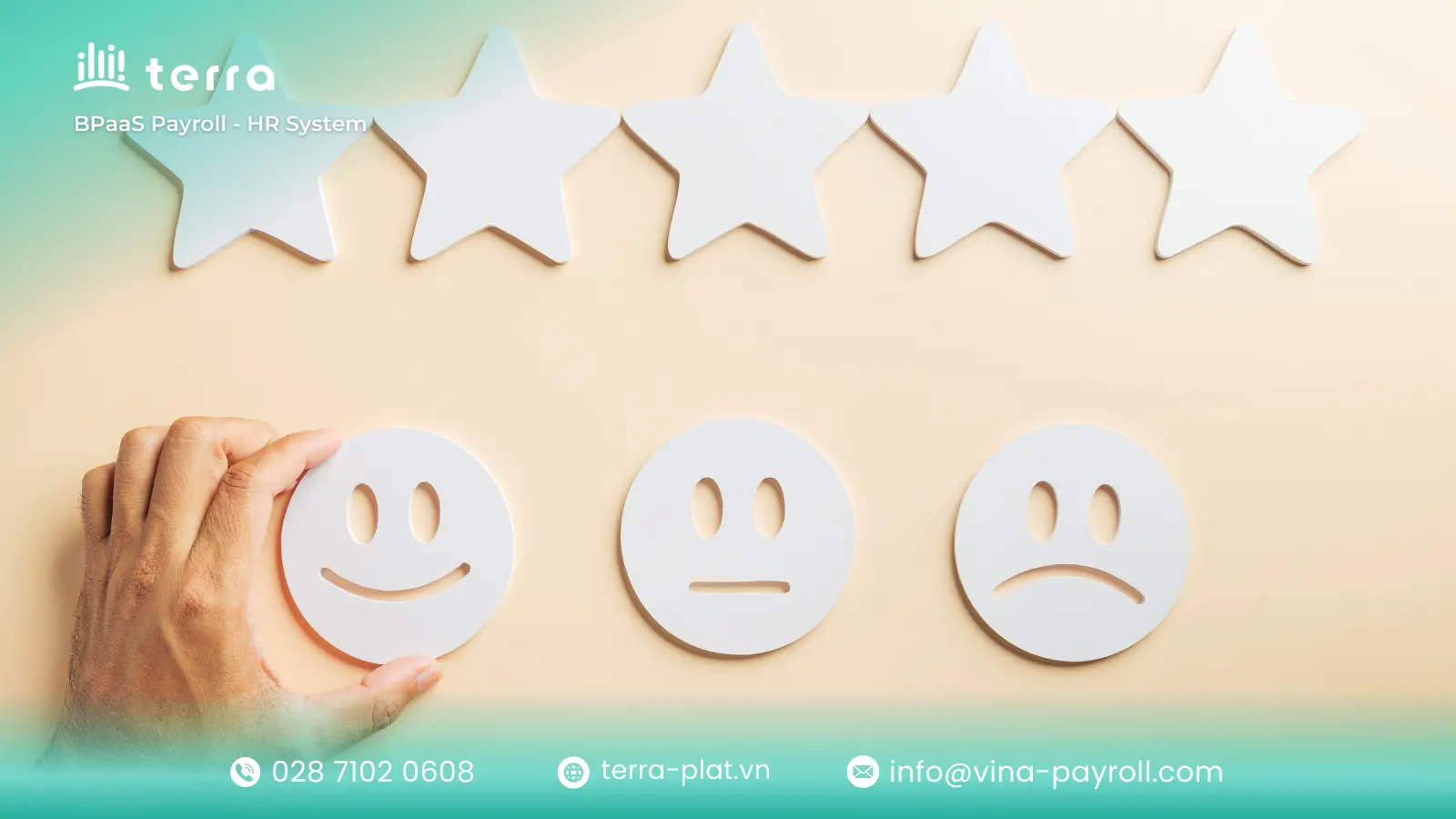
While EQ is a qualitative trait, modern organizational psychology has developed rigorous, scientifically backed frameworks to measure and develop it systematically within corporate settings.
Emotional Capital Report (RocheMartin) in Corporate Settings
The ECR is specifically designed for professionals, measuring 10 emotional and social skills linked directly to leadership performance. It provides a highly actionable blueprint for executive coaching and succession planning.
Emotional Quotient Inventory (EQ-i 2.0 by Bar-On)
One of the most scientifically validated tools globally, the EQ-i 2.0 uses a self-report method to assess 15 specific competencies, ranging from stress tolerance to reality testing, providing a comprehensive emotional profile of the employee.
MSCEIT Assessment for Leadership Development
Unlike self-reporting tools which can be biased, the MSCEIT is an ability-based test. It asks participants to solve actual emotional problems (e.g., identifying the emotion in a facial expression or determining the best emotional response to a complex scenario), testing actual capacity rather than self-perception.
360-Degree Emotional Intelligence Assessments
Self-awareness is often flawed; we judge ourselves by our intentions, but others judge us by our actions. Combining an EQ test with a comprehensive 360 degree feedback mechanism allows an individual to compare their self-perception against how their peers, subordinates, and managers actually experience their behavior.
Using People Analytics to Track EQ-Related Behaviors
Progressive HR departments analyze data trends such as the turnover rate under specific managers, internal mobility, and absenteeism to identify pockets of low EQ within the organizational structure and intervene early.
Practical Applications of Emotional Intelligence in Daily Work
Theory must translate into daily execution to generate ROI. Here is how emotional intelligence manifests in the trenches of corporate life.
Handling Difficult Conversations
Whether it is terminating a vendor contract or confronting a toxic colleague, high EQ keeps the conversation strictly focused on objective facts and future solutions, preventing emotional escalation and preserving professional dignity.
Managing Workplace Stress
High EQ allows individuals to compartmentalize stress effectively. They recognize their own cognitive overload and step away to reset, rather than projecting their anxiety and frustration onto their direct reports.
Leading Change and Organizational Transformation
People naturally resist change. Emotionally intelligent leaders manage the psychological change curve by acknowledging the anxiety associated with new processes, validating concerns before pushing for aggressive adoption.
Negotiation and Stakeholder Management
The best negotiators are deeply empathetic. They uncover the underlying emotional drivers and unstated needs of the opposing party, allowing them to craft win-win scenarios where the other side feels respected and heard.
Giving and Receiving Constructive Feedback
This is where emotional intelligence in communication is most visible. Delivering critique without destroying an employee’s confidence requires immense tact, while receiving critique without becoming defensive requires profound self-regulation. Smooth communication ensures that interpersonal friction does not disrupt the daily workflow.
Frequently Asked Questions (FAQs) about Emotional Intelligence in the workplace
Understanding the nuances of behavioral psychology in a corporate setting can be challenging. Below are clear, actionable answers to the most common questions leaders ask regarding EQ.
What is the difference between IQ and EQ at work?
Answer: IQ measures cognitive abilities, logic, and technical problem-solving. EQ measures emotional and social competence.
IQ might get you hired for a complex technical role, but EQ determines whether you get promoted to lead the team.
Can emotional intelligence be developed in employees?
Answer: Yes. Unlike IQ, which remains relatively static throughout adulthood, EQ can be actively developed.
Through neuroplasticity, targeted coaching, and deliberate practice, individuals can learn to recognize their emotional triggers and completely rewire their behavioral responses over time.
How does EQ affect leadership performance?
Answer: It is the primary differentiator of elite leadership.
Studies consistently show that leaders with high EQ build more profitable, resilient teams. They excel at aligning human capital with strategic goals, turning raw potential into tangible performance.
Why is EQ important in HR systems and workforce management?
Answer: Because managing people is fundamentally an emotional task, not just a transactional one.
Before you can clearly define what is KPI for a specific role, you must understand the human performing it. High EQ reduces friction in change management, enhances the accuracy of performance reviews, and drives the successful adoption of new HR initiatives.
terra HR System
Managing a dynamic, high-performing workforce requires robust technological infrastructure that supports human-centric processes. By utilizing terra HR Software, leadership teams can automate heavy administrative burdens and free up mental bandwidth to focus on actual human connections and coaching.
As a comprehensive terra HR Management system, terra empowers your organization through:
- Streamlined Operations: A flexible terra HR Solution that automates leave approvals, attendance tracking, and complex payroll calculations.
- Proactive Analytics: Real-time data to track team performance and identify potential burnout before it impacts your workforce.
- Seamless Integration: Can be connected easily with your company’s existing ERP system or utilized as a powerful standalone terra HR Platform.
By automating the paperwork, terra allows your leaders to focus on building a high-trust, emotionally intelligent workplace culture.

Contact terra HR Solution now for advice!
Conclusion
Understanding what is emotional intelligence is no longer optional; it is a measurable core business competency. By actively developing EQ and leveraging smart HR tools like terra, organizations will outpace competitors in innovation, employee retention, and long-term financial performance.